
animals and the politics of suffering
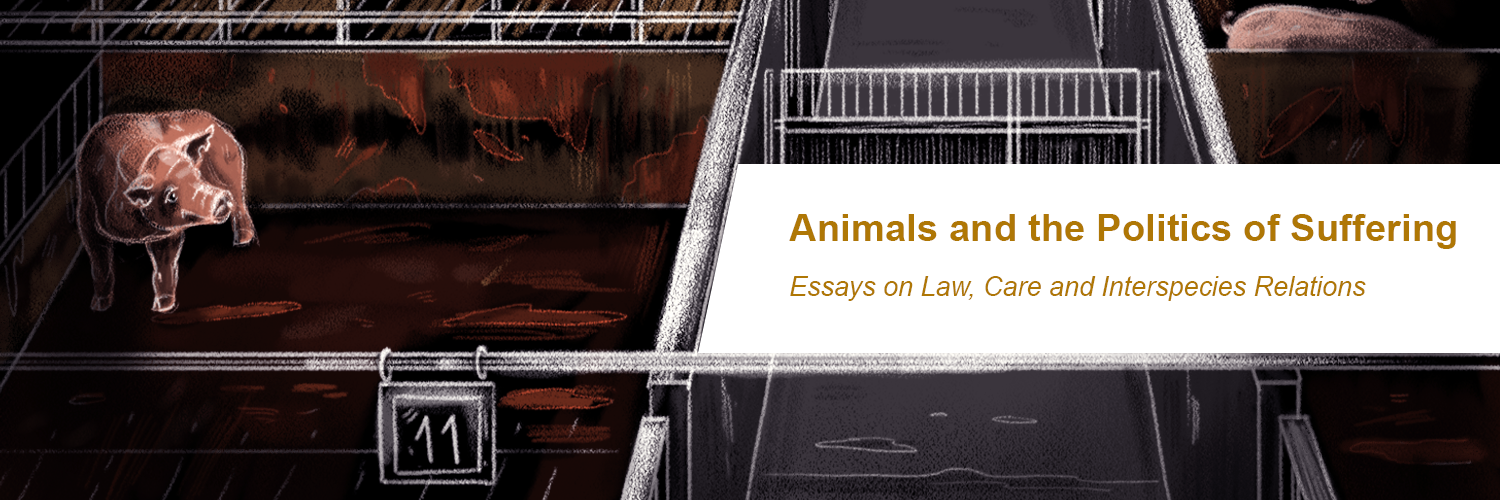
Cover illustration for Marie-Leth Espensen’s doctoral dissertation, “Animals and the Politics of Suffering: Essays on Law, Care, and Interspecies Relations,” written at Lund University in Denmark and published in 2023.
🐖 Her research explores topics such as the invisibility of animals trapped in the industrial complex and ways to move forward, to practice care for non-human animals within sanctuaries, which have the potential to become multispecies communities.
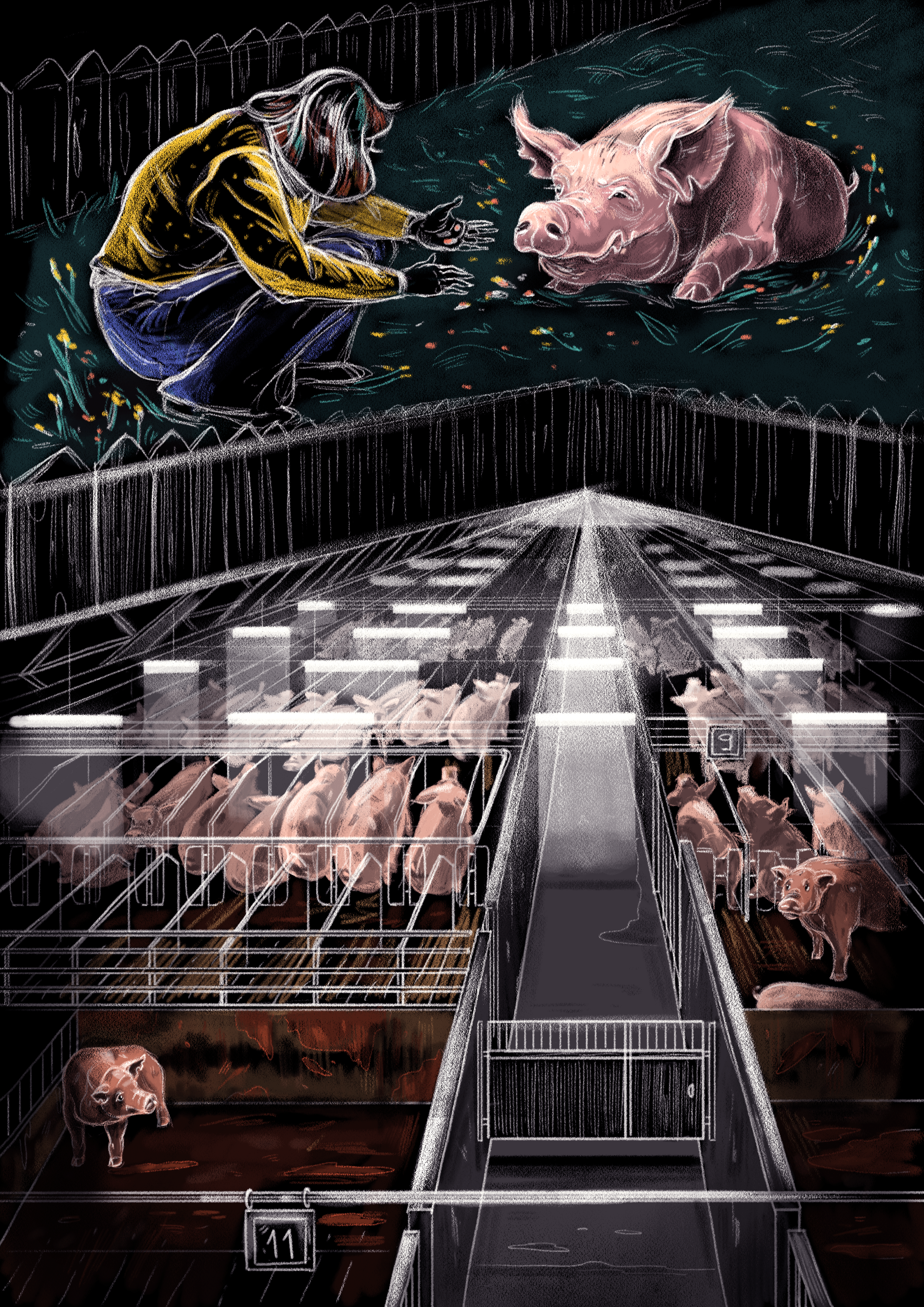
The contrasting scenes in the illustration reflect the two realities in which piglets can live their lives, starting from the top—a setting based on respect, mutual care, and freedom—and moving to the second scene, the exploitative framework in which most of them find themselves, a place where their bodies are treated merely as commodities, living in constant pain and suffering, and where sows are forcibly inseminated to sustain this consumer industry.
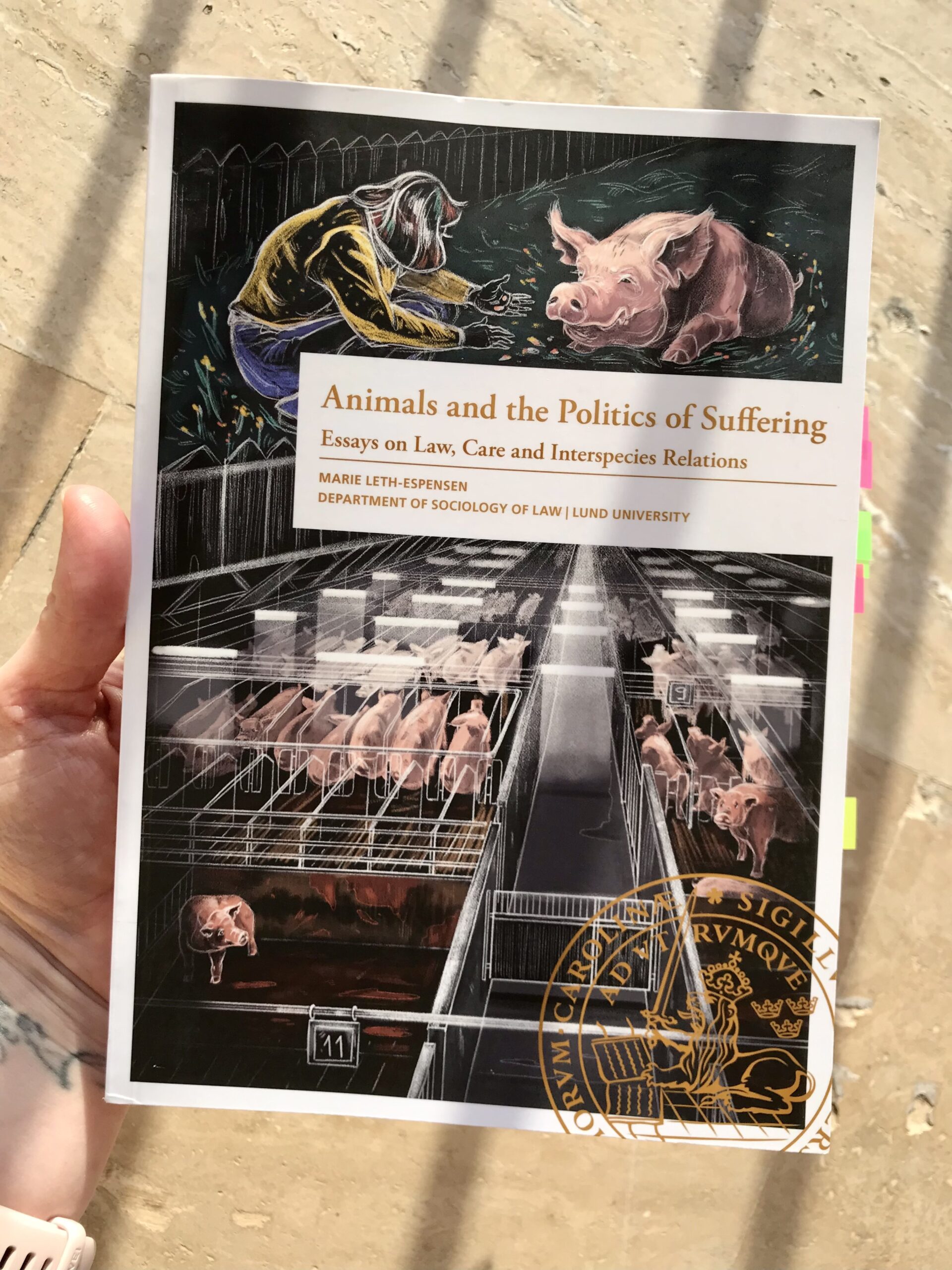
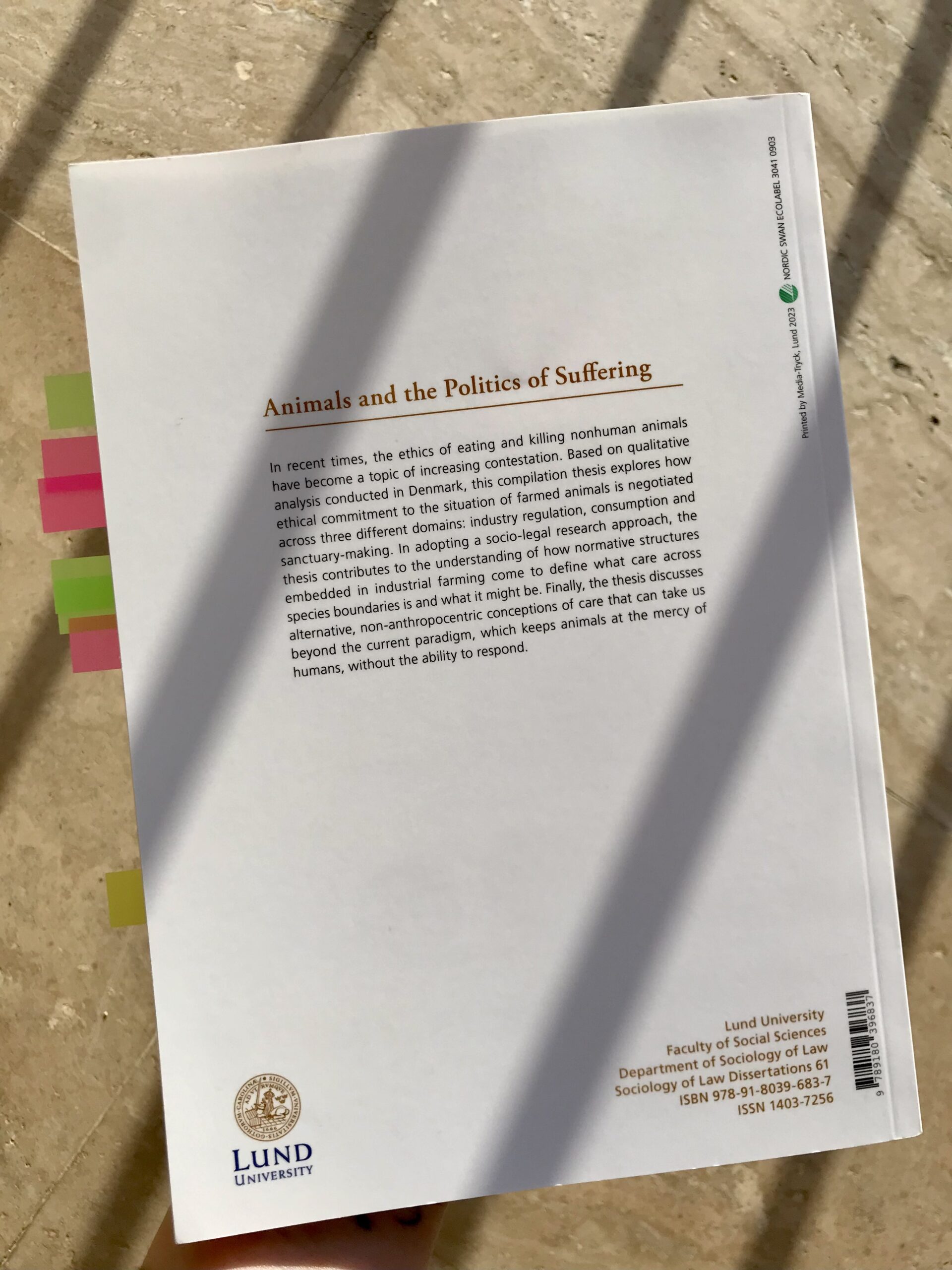


A series of social media posts featuring quotes from Maria’s thesis that effectively capture the essence of her research proposal.
Monitoring care, curating suffering: Law, bureaucracy and veterinary expertise in contemporary animal politics
This article critically explores responses to the suffering of animals caused by industrialised agriculture aiming to reflect on broader aspects of the current state of animal politics in the 21st century.
-
Source: Danish Veterinary and Food Administration.
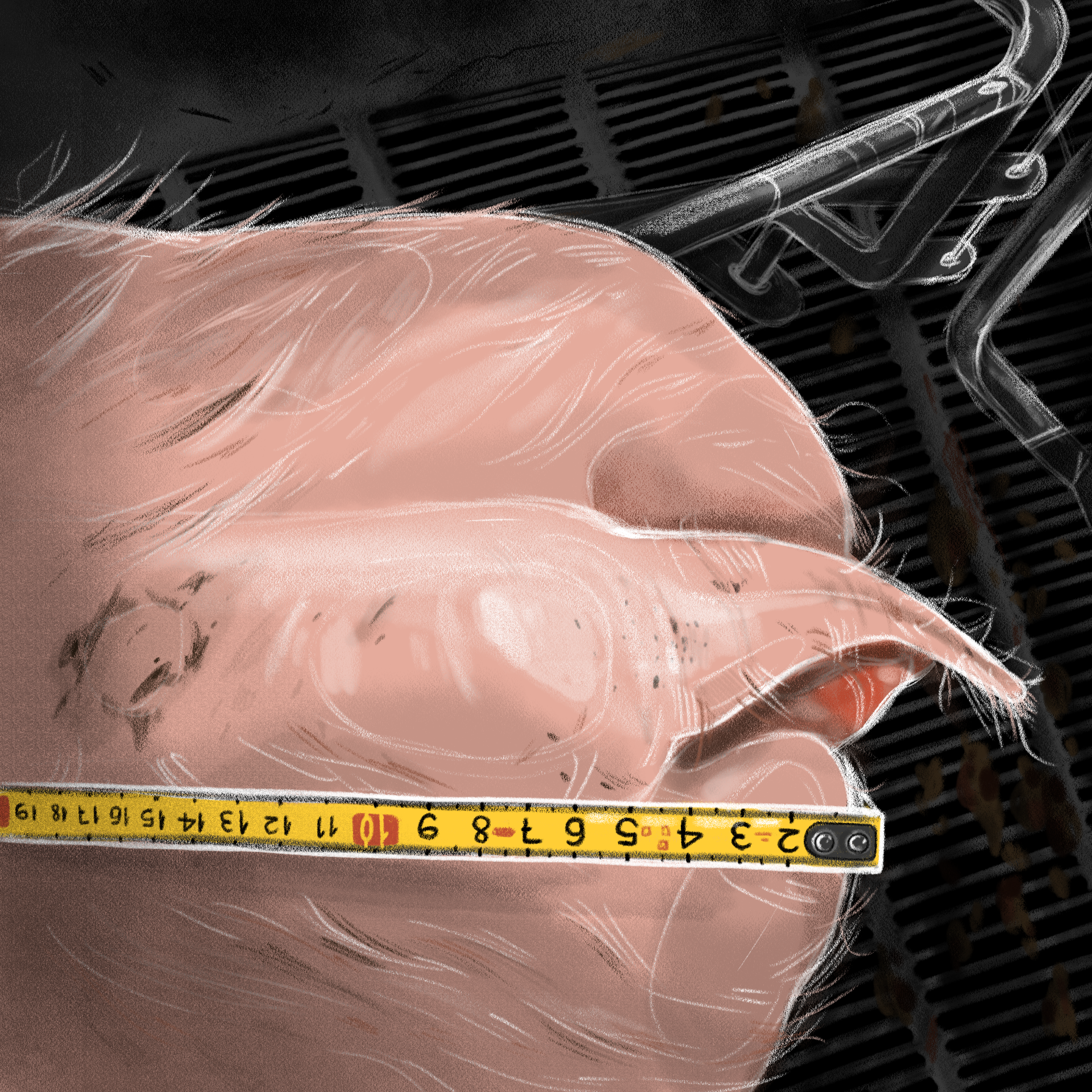
The illustration is based on a photograph from the official inspection manual for determining the appropriate dimensions for a sow gestation pen.
This close-up shot highlights the shocking nature of gestation crates and the extremely limited space available to sows in industrial livestock facilities.
-
“From my conversations with veterinary officers and inspectors, I have come to understand how market prices can lead to fluctuations in the level of care. As one of the veterinary officers explained: ‘When pig prices are low, farmers have little or no incentive to treat them and keep them alive.’ According to this inspector, he encounters more sick and injured animals—or “animals kept alive”—when the market price of pigs is high.